guide

Boarding schools occupy a unique and storied place in Canadian education. For generations, families have chosen residential schooling for reasons ranging from academic excellence and athletic development to the practical realities of geography and career demands. Today, Canada's boarding school landscape is more diverse than ever — spanning everything from elite university-preparatory academies to faith-based communities and specialized arts programs. If you're a parent weighing this option for your child, this guide will walk you through everything you need to know: what boarding schools actually are, what makes them distinct, how much they cost, where to find them, and how to decide if residential education is the right path.
A boarding school is an educational institution where students live on campus during the academic year, receiving not just classroom instruction but also accommodation, meals, extracurricular programming, and pastoral care under one roof. The term comes from the old practice of providing "board" — food and lodging — alongside lessons. In Canada, the modern boarding school experience is far more holistic than that original definition suggests.
Most Canadian boarding schools operate on a structured residential model. Students live in dormitories or houses supervised by resident staff, follow a daily schedule that blends academics with athletics, arts, and community activities, and benefit from close mentorship relationships with teachers who are often present well beyond classroom hours. Some schools offer full boarding, where students remain on campus for the entire term, while others offer weekly boarding, allowing students to return home on weekends. A growing number of schools also offer homestay or day-boarding hybrid options that give families more flexibility.
Boarding schools in Canada are governed by the same provincial education ministries as other private schools, meaning they must meet curriculum standards set by provinces like Ontario, British Columbia, and Alberta. Many boarding schools go significantly beyond those minimums, offering enriched academics, dual-credit university courses, or internationally recognized programs such as the International Baccalaureate. According to NextSchool data, there are 81 active boarding schools across Canada out of a total of 1,173 private schools in our database — making residential education a specialized but well-established segment of the Canadian independent school sector.

Our AI consultant can help you narrow down options based on your child's unique profile. Answer a few questions and get matched with schools that truly fit your family.
Canadian boarding schools are often described by educators as "total learning environments" — and that phrase captures something genuinely important. When a student lives where they study, the boundaries between academic and personal development blur in productive ways. Teachers become mentors. Peers become a close-knit community. The campus itself becomes a laboratory for independence, resilience, and self-governance.
Several features consistently distinguish Canadian boarding schools from their day-school counterparts:
"The boarding school experience doesn't just prepare students academically — it builds the kind of character, resilience, and social fluency that universities and employers are genuinely looking for." — Education consultant perspective
Many Canadian boarding schools have deep historical roots, with traditions, values, and alumni networks that span over a century. Others are newer institutions that have embraced modern pedagogical approaches, including project-based learning, wellness programming, and technology integration. The diversity of the sector means that parents can find a boarding school aligned with almost any educational philosophy or family value system.

Choosing a boarding school is one of the most significant educational decisions a family can make, and it deserves honest, balanced reflection. The benefits are real and well-documented — but so are the challenges, and the right answer depends entirely on the individual child and family circumstances.
Potential benefits of boarding school include:
Considerations to weigh carefully:
| Feature | Boarding School | Day Private School | Public School |
|---|---|---|---|
| Residential accommodation | ✅ Included | ❌ Not available | ❌ Not available |
| Extended teacher access | ✅ Daily/evening | Varies | Limited |
| Extracurricular depth | ✅ Extensive | Moderate | Varies |
| Annual cost (avg.) | ~$23,372+ CAD | $8,000–$20,000 CAD | Free |
| International student community | ✅ Common | Rare | Rare |
| University preparation focus | ✅ Strong | Strong | Varies |
| Independence development | ✅ Intensive | Moderate | Moderate |
Cost is often the first question parents ask — and with good reason. Boarding schools are a significant financial investment, and the range in Canada is genuinely wide. Based on NextSchool data from 81 active boarding schools, the average annual tuition is $23,372 CAD, but that number alone tells only part of the story.
The tuition range across Canadian boarding schools runs from as low as $1 (for schools with full bursary or subsidized programs) to as high as $183,000 CAD annually for elite full-service international programs. Most families considering a traditional boarding school experience should budget in the range of $20,000 to $70,000 per year for tuition alone, with additional costs for uniforms, trips, equipment, and personal spending money.
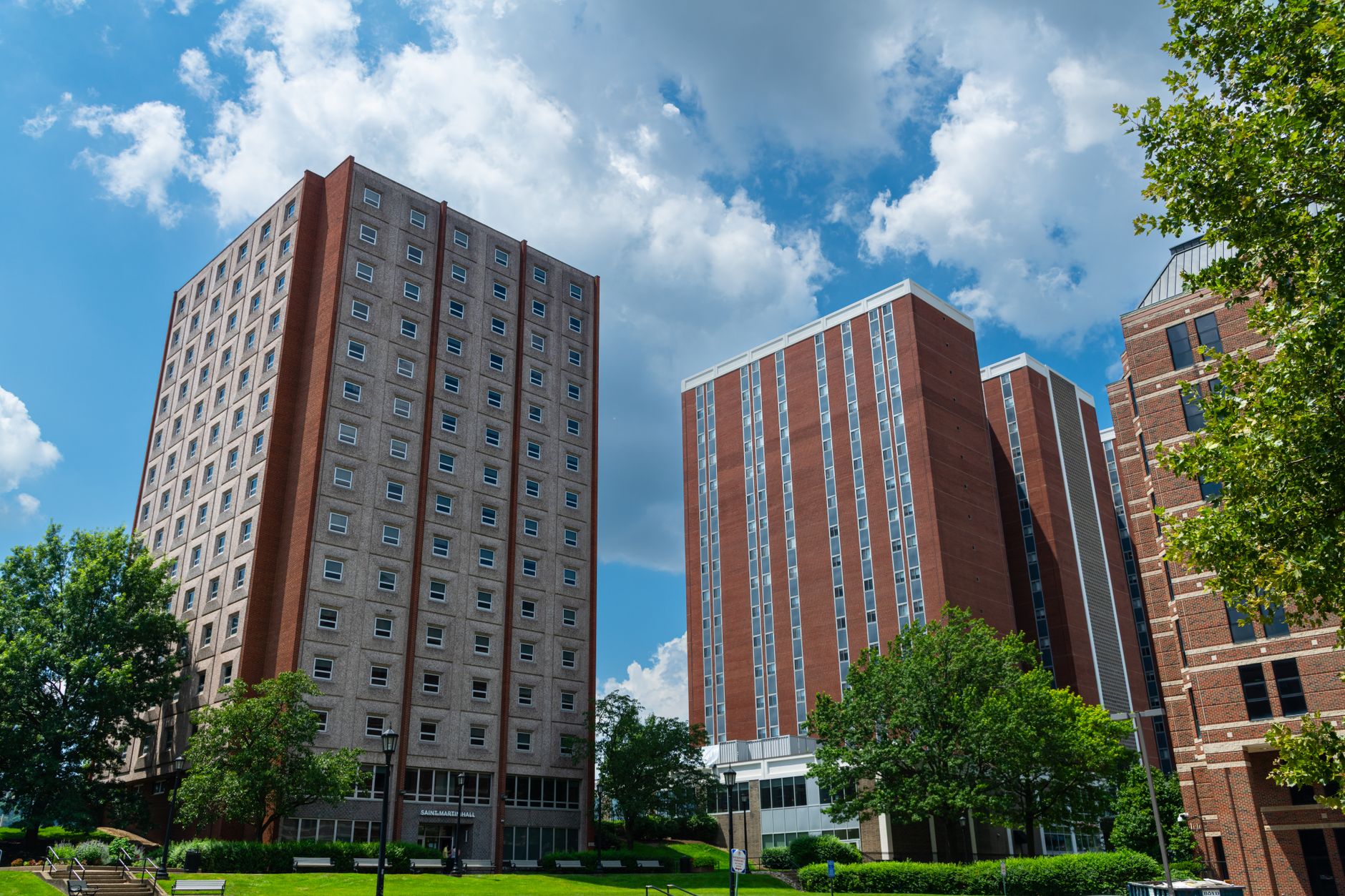
It's important to understand what tuition typically includes at a boarding school versus a day school. Most boarding fees cover:
Additional fees may apply for specialized programs (e.g., elite athletic training, music conservatory-level instruction), international travel, or premium single-room accommodations. Always request a full fee schedule — not just the headline tuition number — when comparing schools.
"When parents compare boarding school costs to day school tuition, it's worth remembering that boarding fees replace not just tuition but also childcare, after-school activities, transportation, and in some cases, a second household — the value calculation is more complex than it first appears."
Financial aid is available at many Canadian boarding schools. Bursaries, merit scholarships, and need-based assistance programs can significantly reduce the net cost for qualifying families. Parents should proactively ask admissions offices about financial assistance options — many schools do not prominently advertise the full extent of their aid programs.
Boarding schools are not evenly distributed across Canada's vast geography — they tend to cluster in urban and semi-urban centres, though some of the country's most prestigious residential schools are located in smaller towns and rural settings where campus space is abundant and the natural environment is part of the educational experience.
Based on NextSchool's database, the cities with the strongest concentration of boarding school options include Toronto (11 schools), Edmonton (7 schools), Calgary (5 schools), Richmond Hill (3 schools), and Markham (3 schools). Ontario dominates the boarding school landscape, reflecting both the province's population size and its long tradition of independent schooling. The Greater Toronto Area alone — including Toronto, Mississauga, Richmond Hill, and Markham — accounts for a substantial share of Canada's total boarding school inventory.
British Columbia offers boarding options in the Lower Mainland and on Vancouver Island, with several schools known for their outdoor education programs and Pacific Rim international student communities. Alberta's boarding schools, particularly in Calgary and Edmonton, often serve families from rural and remote communities across the Prairie provinces who want their children to access urban academic and extracurricular opportunities. Quebec has a distinct boarding school tradition rooted in its francophone Catholic heritage, though the sector has diversified considerably in recent decades.
For families in remote or northern communities — a reality for many Canadians — boarding schools have historically served a vital practical function, providing access to educational opportunities simply not available locally. This remains true today, and several boarding schools maintain specific programs and bursary structures designed to support students from northern and Indigenous communities.
When evaluating geographic fit, consider not just the school's location but its proximity to airports (for international or out-of-province students), the surrounding community's amenities, and the campus environment itself — whether urban energy or natural surroundings better suits your child's personality and interests.
Once you've decided that boarding school is worth exploring, the process of finding the right fit begins. This is where many parents feel overwhelmed — and where doing systematic research pays dividends. Here are the key dimensions to evaluate:
Academic program: Does the school offer the curriculum track your child needs? Look for schools offering Ontario's OSSD, BC's Dogwood Diploma, the International Baccalaureate, Advanced Placement, or other recognized credentials. Ask about university acceptance data — specifically, where graduates have been admitted in recent years.
Student life and culture: Visit if at all possible. Speak with current students and parents. Ask about the school's approach to mental health and wellness, how homesickness is managed in the first weeks, and what the typical weekday and weekend schedule looks like.
Staff-to-student ratios: Smaller ratios mean more individual attention, both academically and pastorally. Ask specifically about the ratio of residential staff to students in dormitories.
Accreditation and memberships: Many of Canada's leading boarding schools are members of the Canadian Accredited Independent Schools (CAIS) association, which maintains rigorous standards for member schools. Membership in CAIS is a meaningful quality signal.
Alumni outcomes: Where do graduates go? Strong boarding schools will have detailed data on university placements, scholarship recipients, and alumni achievements.
Searching for a boarding school across a country as large and diverse as Canada can feel like an overwhelming task. NextSchool's school directory is built specifically to make this process manageable. Our database includes detailed profiles for all 81 boarding schools currently active in Canada, with filterable information on tuition ranges, curriculum types, grade levels, city, and province.
Parents searching in specific cities can explore boarding options in Toronto, Edmonton, Calgary, and across Ontario and Alberta with filters that let you narrow by budget, program type, and school size. Each school profile includes key facts, contact information, and links to the school's own admissions resources — so you can move from research to direct conversation with admissions teams efficiently.
Beyond the directory, NextSchool's content library includes comparison guides, provincial overviews, and curriculum explainers designed to help parents build the knowledge base they need to ask the right questions during school visits and admissions interviews. Whether you're just beginning to explore boarding school as an option or you're deep in the decision-making process, our tools are designed to support you at every stage.
Use our school directory to browse all schools, compare programs, and create your shortlist. Our AI consultant is here to guide you through the process.
Boarding school is not the right choice for every family — but for the families it suits, it can be a genuinely transformative experience. The key is doing the research, asking honest questions about your child's readiness and your family's priorities, and using every resource available to make a well-informed decision. Canada's boarding school sector is rich, diverse, and full of exceptional options. The right school for your child is out there.
Ready to take the next step?
Talk to our AI consultant — personalized school recommendations in minutes.
Get our free school guide
Tips on tuition, admissions timelines, and what to ask on school tours. No spam.
NextSchool's 2026 report analyzes tuition at 432 private schools across Canada, revealing an average annual cost of $23,602 CAD and wide disparities between provinces, cities, and school types. This flagship publication provides essential statistics, trends, and comparisons for journalists, research
Trying to decide between the International Baccalaureate and Advanced Placement programs for your child? This in-depth Canadian guide breaks down costs, university recognition, workload, and availability so you can make a confident, informed choice.
Weighing private school against public school for your child? This comprehensive Canadian guide breaks down the real differences in cost, curriculum, class size, and outcomes — so you can make the most informed decision for your family.
