comparison

Choosing the right school for your child is one of the most consequential decisions a parent makes — and in Canada, the choice between private and public education has never been more nuanced. With 1,173 active private schools across the country, ranging from faith-based academies to elite boarding schools to small Montessori studios, the private sector is far more diverse than many parents realize. Meanwhile, Canada's public school system consistently ranks among the best in the world on international assessments. So how do you decide?
This guide cuts through the noise with real data, honest trade-offs, and practical guidance for Canadian families in Ontario, British Columbia, Alberta, and beyond. Whether you're just beginning to explore your options or you're deep in the decision-making process, you'll find the clarity you need here.
At the most fundamental level, public schools are funded and operated by provincial governments, are free to attend, and are open to all children within a designated catchment area. Private schools (also called independent schools) are funded primarily through tuition fees, may receive partial provincial funding depending on the province, and have the freedom to set their own admissions criteria, curricula, and culture.
But the distinction goes much deeper than funding. Public schools in Canada are governed by provincial ministries of education, which means teachers must hold provincial certification, curricula must align with provincial standards, and schools are subject to regular government oversight. This consistency is a genuine strength — a child moving from a public school in Winnipeg to one in Halifax will find broadly familiar academic expectations.
Private schools, by contrast, operate with considerable autonomy. A private school in Ontario might follow the standard Ontario curriculum, or it might layer on the International Baccalaureate (IB) framework, a Cambridge programme, or a completely proprietary approach. This flexibility is one of the most compelling arguments for independent education — but it also means parents need to do more research to understand what they're actually buying.
According to NextSchool data drawn from our database of 1,173 active private schools, the average annual tuition across Canada sits at $23,372 CAD, though the range is staggering — from as low as $1 per year for some faith-subsidized programmes to as high as $183,000 CAD for elite full-boarding schools.
Our AI consultant can help you narrow down options based on your child's unique profile. Answer a few questions and get matched with schools that truly fit your family.
One of the most meaningful differences between private and public schools in Canada is curriculum flexibility. Every province sets a mandatory curriculum that public schools must follow — Ontario's Ministry of Education, for example, publishes detailed course expectations for every grade and subject. Public school teachers are trained to deliver this curriculum, and students are assessed against provincial standards, including standardized tests like Ontario's EQAO assessments or BC's provincial exams.
Private schools have far more room to innovate. Many top independent schools in Toronto, Vancouver, and Calgary offer the IB Diploma Programme alongside or instead of provincial credentials, giving graduates a qualification recognized by universities in over 150 countries. Others adopt Montessori, Waldorf, or Reggio Emilia philosophies that reshape not just what is taught, but how learning itself is structured. Faith-based schools — which represent a significant portion of Canada's private sector — may integrate religious instruction throughout the school day in ways that go well beyond what publicly funded Catholic or Protestant schools offer.
It's worth noting that public schools are not academically monolithic, either. Many provinces allow for specialized public programmes: French immersion, gifted education streams, arts-focused schools, and STEM academies all exist within the public system. In British Columbia, the public system is particularly strong in offering these differentiated pathways. Still, the depth and breadth of curricular choice available in the private sector is genuinely unmatched.
"The ability to choose a curriculum philosophy — not just a school building — is often the deciding factor for families who ultimately choose private education," say education consultants who work with families across Canada.
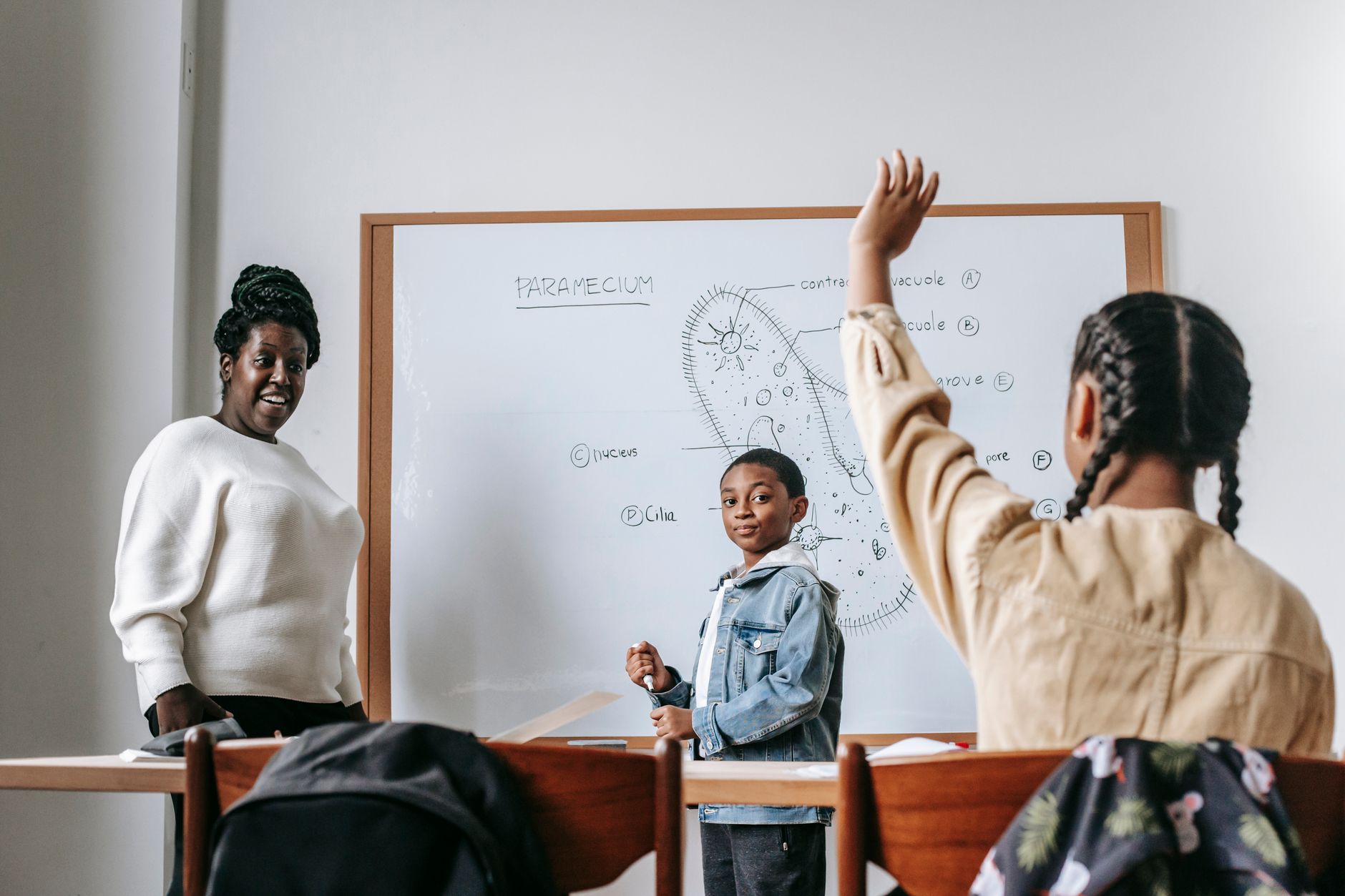
Class size is consistently one of the top concerns parents raise when comparing private and public schools — and for good reason. Research in educational psychology consistently links smaller class sizes to more individualized instruction, stronger teacher-student relationships, and better outcomes for students with learning differences.
In Canada's public school system, class size regulations vary by province and collective agreement. In Ontario, for example, average class sizes in publicly funded secondary schools have historically hovered around 22–27 students per class, though this varies by subject and school board. In Alberta, public elementary classes average around 24 students. These are not unreasonable numbers, and many excellent public school teachers manage these classrooms brilliantly.
Private schools, however, frequently advertise class sizes in the range of 12–18 students, and some boutique independent schools cap classes even lower. This is not just a marketing point — smaller classes genuinely change the classroom dynamic. Teachers can provide more frequent written feedback, spend more time on individual questioning, and build the kind of mentoring relationships that help students develop confidence alongside academic skills.
Beyond academics, private schools often cultivate a distinctive school culture that is deliberately shaped and consistently reinforced. This might mean a strong emphasis on public speaking and debate, a culture of community service, a competitive athletics programme, or a tight-knit spiritual community. For families who feel their child needs a particular kind of environment to thrive, this intentionality can be transformative.
"It's not just about smaller classes — it's about a school community that shares your family's values and actively reinforces them every day."
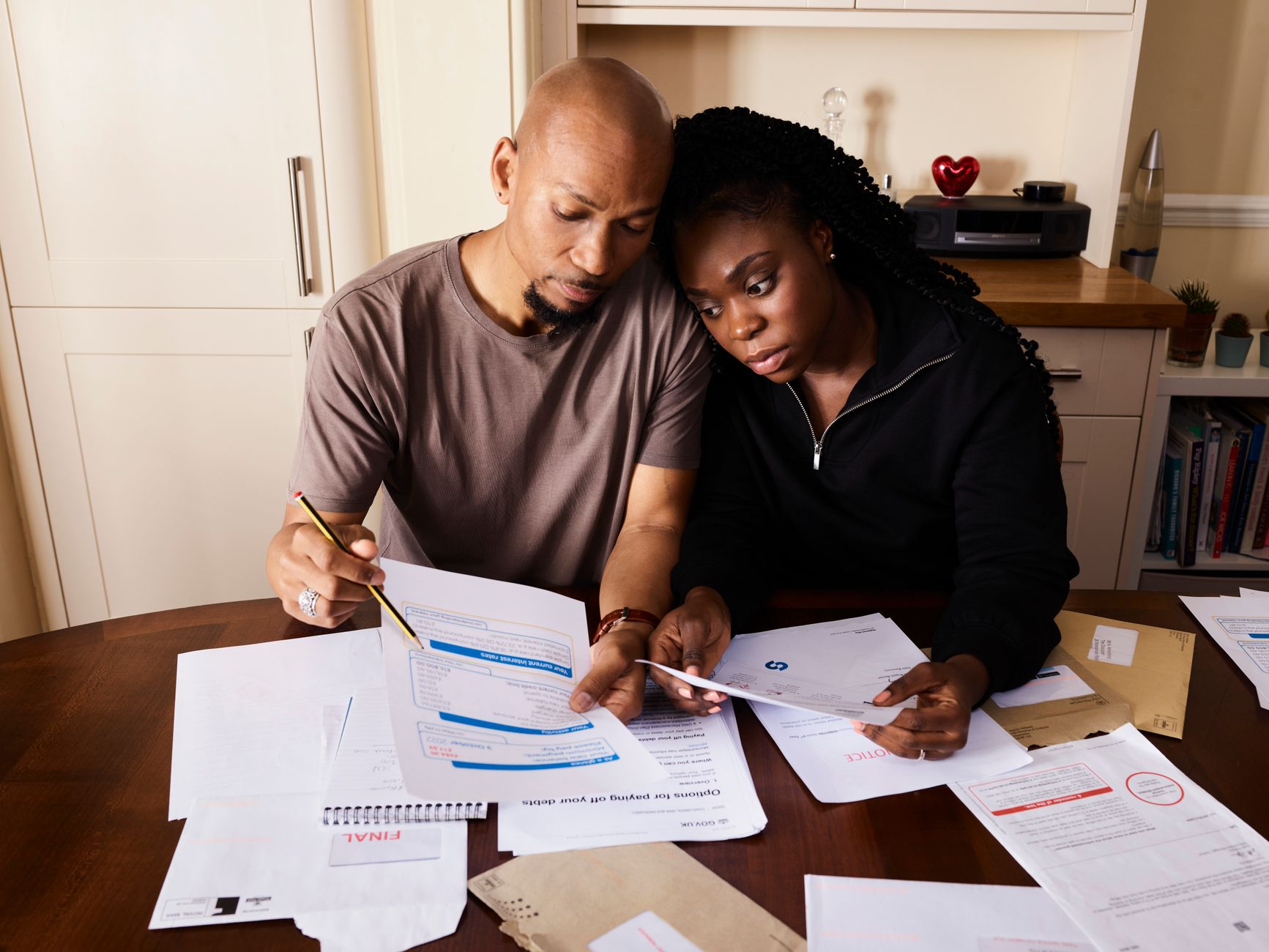
Let's be direct: private school is expensive. According to NextSchool's database of 1,173 active Canadian private schools, the average annual tuition is $23,372 CAD. At that rate, educating one child from JK through Grade 12 in the private system could cost a family well over $300,000 — before uniforms, activity fees, technology levies, and optional programmes.
However, that average masks enormous variation. Day schools in mid-sized cities may charge $8,000–$15,000 per year. Religious independent schools that receive provincial funding — as many do in Alberta and British Columbia — may charge significantly less, sometimes under $5,000 annually. Full-boarding schools at the top end of the market, particularly in Ontario and Quebec, can exceed $60,000–$80,000 per year for domestic students.
The good news is that financial aid and bursary programmes are more widely available than many parents realize. Many established independent schools in Canada allocate 10–20% of their tuition revenue to need-based bursaries. Some schools, particularly in Ontario, have endowment-funded scholarship programmes that can cover a substantial portion of fees for academically talented students from lower-income families. If cost is a barrier, it is always worth calling the admissions office directly — the published tuition is rarely the only price available.
Public school, of course, is free at the point of access. Families still incur costs for school supplies, field trips, extracurricular activity fees, and optional programmes, but these are a fraction of private tuition. For families who invest those savings in tutoring, enrichment programmes, and travel, the gap in outcomes between public and private may narrow considerably.

| Feature | Private Schools | Public Schools |
|---|---|---|
| Annual Cost | Avg. $23,372; range $1–$183,000 | Free (minor activity fees apply) |
| Class Size | Typically 12–18 students | Typically 22–27 students |
| Curriculum | Provincial, IB, AP, Montessori, Waldorf, faith-based | Provincial curriculum (standardized) |
| Admissions | Selective; application, interview, testing required | Open enrolment by catchment area |
| Religious Options | Wide range: Catholic, Christian, Jewish, Islamic, secular | Publicly funded Catholic boards in some provinces |
| Extracurriculars | Often extensive; arts, athletics, leadership programmes | Available; varies widely by school and board |
| Teacher Certification | Varies; many hold provincial certification | Provincial certification required |
| Financial Aid | Bursaries and scholarships at many schools | N/A (free system) |
| University Outcomes | Strong IB/AP pathways; active guidance counselling | Depends on school; provincial credits standard |
| Special Needs Support | Varies widely; some specialize in learning differences | Mandated IEP support; resource teachers available |
Private schools in Canada are heavily concentrated in major urban centres, which reflects both population density and the demographic profile of families who can afford independent tuition. Based on NextSchool's database, Toronto leads the country with 152 private schools, making it by far the most competitive and diverse independent school market in Canada. Calgary follows with 69 schools, Mississauga with 42, Edmonton with 34, and Scarborough with 27.
In Ontario, the independent school sector is mature and highly varied — from the historic Upper Canada College and Havergal College to newer IB-focused day schools and a growing number of culturally specific schools serving South Asian, Chinese-Canadian, and other communities. The Ontario government does not fund private schools, which keeps tuition higher than in some other provinces.
In British Columbia, the provincial government provides partial funding to registered independent schools — currently around 50% of the per-pupil public school grant for Group 1 schools. This subsidy meaningfully reduces tuition costs and has contributed to a robust independent school sector, particularly in Metro Vancouver and Victoria. BC's independent schools must meet provincial curriculum requirements to receive funding.
In Alberta, a similar partial-funding model exists, and the province also has a strong tradition of faith-based independent schools. Calgary's 69 private schools reflect a community where independent education is mainstream across a range of income levels, not just the ultra-wealthy.
In Quebec, the private school landscape is distinctive: the province subsidizes private secondary schools quite generously, making them accessible to a broader cross-section of families. Roughly 20% of Quebec secondary students attend private schools — one of the highest rates in North America.

Use our school directory to browse all schools, compare programs, and create your shortlist. Our AI consultant is here to guide you through the process.
Finding the right school — public or private — used to mean relying on word-of-mouth, outdated guidebooks, and school open houses that only confirmed what you already thought you knew. NextSchool changes that. Our school directory brings together verified profiles for over 1,173 active private schools across Canada, with searchable filters for city, curriculum type, religious affiliation, grade range, and more.
Looking for IB schools in Toronto? You can browse every IB-authorized school in the city, compare their programmes, and read verified details about admissions processes. Searching for a faith-based school in Calgary or a Montessori programme in Edmonton? Our filters make it possible to narrow your options in minutes rather than months.
We also know that data only goes so far. The school that looks perfect on paper may not be the right fit for your specific child — and the school you'd never considered might be exactly what they need. That's why NextSchool connects families with experienced education consultants who know the Canadian independent school landscape intimately. Whether you're starting from scratch or comparing a shortlist of three schools, a consultant can help you ask the right questions and read between the lines of admissions materials.
The decision between private and public school is rarely black and white. The best school for your child is the one where they will be challenged, supported, and genuinely known — and that school might be the excellent public school in your neighbourhood, or it might be an independent school three cities away. What matters is that you make the choice with full information.
Ready to take the next step?
Talk to our AI consultant — personalized school recommendations in minutes.
Get our free school guide
Tips on tuition, admissions timelines, and what to ask on school tours. No spam.
Confused about whether a single-sex or co-ed private school is right for your child? This guide breaks down the real differences, outcomes, and what Canadian parents should know before making this big decision.
With average private school tuition in Canada hitting $22,162, families are right to ask: Is the investment worth it? This guide breaks down the real numbers, academic results, university placement rates, and social-emotional returns, drawing on the latest Canadian and international research.
NextSchool's 2026 report analyzes tuition at 432 private schools across Canada, revealing an average annual cost of $23,602 CAD and wide disparities between provinces, cities, and school types. This flagship publication provides essential statistics, trends, and comparisons for journalists, research
