
Deciding between a single-sex or co-educational (co-ed) private school in Canada can feel like trying to predict your child’s future happiness with a dartboard. It’s one of the top questions I field from nervous parents—especially those considering a big investment in private education. Let’s cut past the glossy brochures and get into what actually matters for your child’s learning, development, and social life. In this guide, I’ll unpack the research, the Canadian context, common myths, the real trade-offs, and—most importantly—what you need to look for as a parent making this call.
When we talk about single-sex schools, we mean institutions that enrol only boys or only girls. Co-ed schools, on the other hand, welcome all genders into the same classrooms. In Canada, single-sex schools are a much rarer breed than you’ll find in the UK or Australia—out of the 1,195 active private schools listed in the NextSchool database, fewer than 10% are single-sex.
Single-sex schools in Canada are mostly concentrated in larger urban centres like Toronto and Montreal. Some are deeply traditional—think blazers, crests, and old-school mottos—while others are more modern, but still keep boys and girls apart for core academic classes.
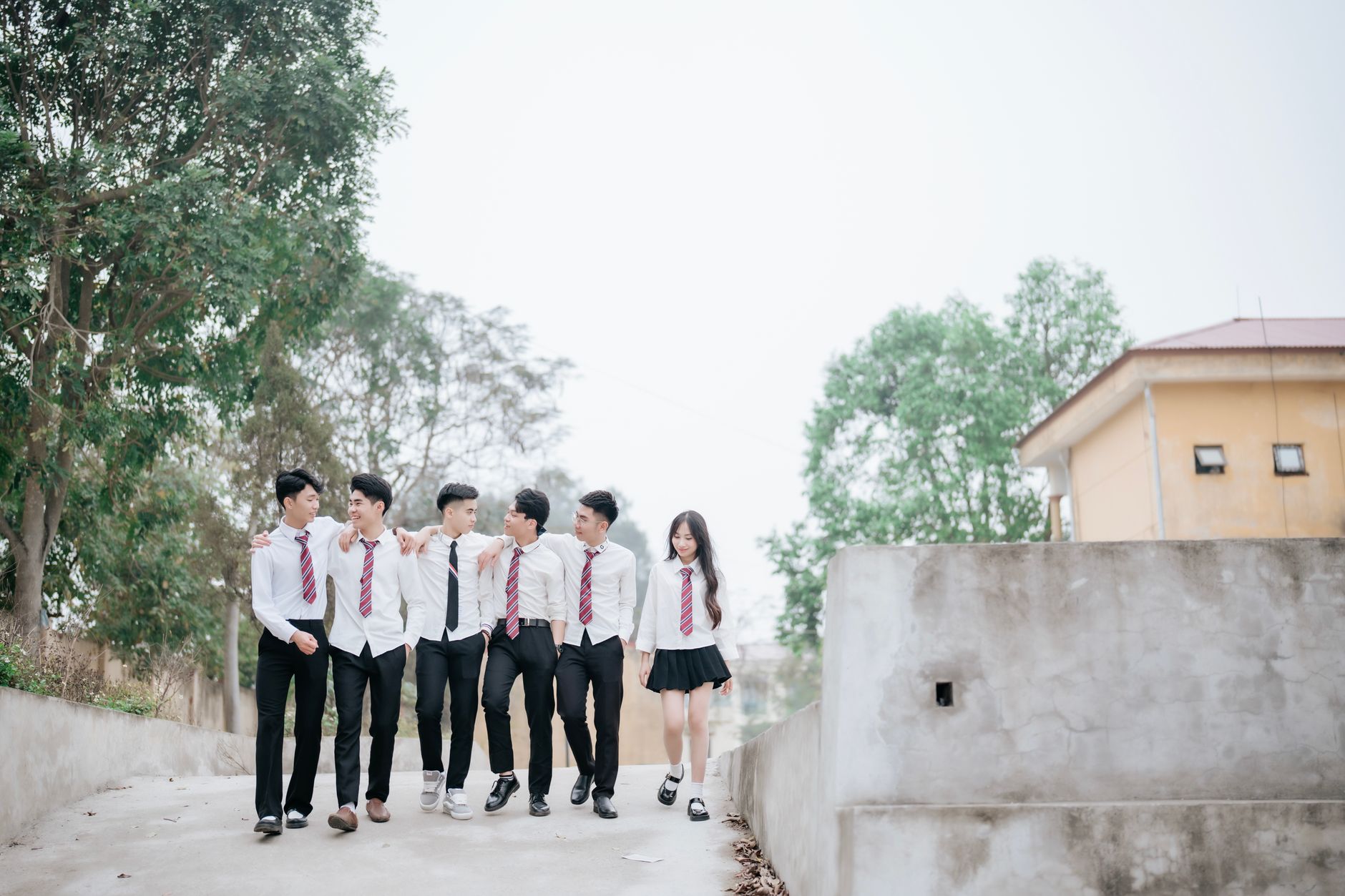
Why are single-sex schools less common here? Put simply, the trend in Canadian education has moved steadily toward co-education since the 1970s. Today, the vast majority of independent schools—public and private—are co-ed, reflecting broader societal shifts toward inclusivity and gender equity.
Let’s get specific about what you’ll actually notice as a parent and what the schools promise. There are some clear differences, but also a lot of overlap—especially as many single-sex schools now offer co-ed extracurriculars or even co-ed classes in later grades.
| Feature | Single-Sex Schools | Co-Ed Schools |
|---|---|---|
| Number in Canada (approx.) | ~110 (NextSchool data) | 1,085 |
| Average Annual Tuition | $27,300 CAD (girls), $29,500 CAD (boys) | $21,700 CAD (average) |
| Locations | Mainly Toronto, Montreal, Vancouver | Nationwide, all provinces |
| Academic Focus | Often claim fewer distractions; tailored programs | Broader range of programs and clubs |
| Socialization | More single-gender friendships | Mixed-gender friendships and teamwork |
| Admissions Selectivity | Typically more selective | Widely variable |
| Tradition/Alumni Networks | Often strong, long-established | Varies; some newer, some historic |
"In my years reviewing admissions, I've seen single-sex schools lean heavily on tradition and alumni connections, while co-ed schools tend to market their diversity and real-world preparation."
A few things stand out: single-sex schools are, on average, pricier (sometimes by a lot). They’re clustered in cities like Toronto (where you’ll find over a dozen), and they tend to be more selective—meaning admissions can be more competitive and stressful.
If you’ve heard that single-sex schools produce better academic outcomes, you’re not alone. But does the data back this up? The answer isn’t as clear-cut as school marketers want you to believe.
According to a 2014 review published in the journal Science, single-sex schooling does not confer significant academic advantages for most students when you control for factors like family background and resources. In practical terms: the quality of teaching, resources, and peer group matter far more than whether your child sits with only boys or only girls.
That said, some specific Canadian studies have found that:
"Let’s be honest: The biggest predictor of academic success is not the gender mix in your child’s classroom, but the fit between your child and their school environment."
Socialization is the other big concern. Parents worry single-sex schools might limit their child’s ability to interact confidently with all genders. The research is mixed. Some studies suggest single-sex environments can boost confidence, especially for girls in STEM fields. Others warn about adjustment challenges later on, especially in university settings.
Let’s put the marketing aside and talk real-world pros and cons. I’ve walked through dozens of both types of schools across Ontario, British Columbia, and Quebec, and here’s what I tell friends:
Single-Sex School Pros:
Single-Sex School Cons:
Co-Ed School Pros:
Co-Ed School Cons:

No school is perfect, and the fit matters more than the format. Talk to alumni. Ask about how the school fosters leadership and social growth—not just test scores.
Here’s where the rubber meets the road. Private school tuition in Canada averages $22,162 per year, but the range is massive—from $1 all the way up to $183,000 (yes, really). Single-sex schools tend to be on the upper end, especially for well-known names in Toronto and Montreal.
What should you ask when touring?
Admissions for single-sex schools can be more competitive. Many require entrance exams, interviews, and even group activities designed to test social skills. Co-ed schools can be more flexible, but top-tier ones (especially in Toronto and Vancouver) are no cakewalk either.
Checklist for Parents:

Canada is not the UK—single-sex schools are rare here. According to NextSchool data:
If you’re in a smaller city or rural area, co-ed is almost always your only option. Even in big cities, co-ed private schools outnumber single-sex ones by about 10 to 1.
The trend is clear: More single-sex schools are going co-ed. In the past decade, at least 8 major Canadian private schools have shifted to co-education, citing changing parent demand and the need to stay relevant. Still, some holdouts maintain their single-sex status because of tradition, alumni preferences, or religious reasons.

Finding the right school isn’t just about single-sex vs co-ed—it’s about finding the right fit for your child and your family. The NextSchool school directory lets you search by location, grade, program type, and more. You can filter for single-sex or co-ed schools, compare tuition, read verified parent reviews, and even book consultations with education experts.
If you’re feeling stuck, our consultants can help you weigh the pros and cons based on your child’s strengths, needs, and personality. It’s not about what looks good on paper—it’s about what will actually help your child thrive.

Use our school directory to browse all schools, compare programs, and create your shortlist. Our AI consultant is here to guide you through the process.
Ready to take the next step?
Talk to our AI consultant — personalized school recommendations in minutes.
Get our free school guide
Tips on tuition, admissions timelines, and what to ask on school tours. No spam.
With average private school tuition in Canada hitting $22,162, families are right to ask: Is the investment worth it? This guide breaks down the real numbers, academic results, university placement rates, and social-emotional returns, drawing on the latest Canadian and international research.
NextSchool's 2026 report analyzes tuition at 432 private schools across Canada, revealing an average annual cost of $23,602 CAD and wide disparities between provinces, cities, and school types. This flagship publication provides essential statistics, trends, and comparisons for journalists, research
Trying to decide between the International Baccalaureate and Advanced Placement programs for your child? This in-depth Canadian guide breaks down costs, university recognition, workload, and availability so you can make a confident, informed choice.
